


InMode Forma-I
Dry eye treatment has changed.
Today, eye-care professionals have more tools to evaluate and address conditions such as meibomian gland dysfunction (MGD) — and InMode Forma-I is one of the technologies EyeC uses as part of our advanced approach to dry eye care.
Forma-I uses controlled radiofrequency (RF) energy to create a targeted thermal effect around the treatment area.
But what makes Forma-I different isn't simply the fact that it uses RF.
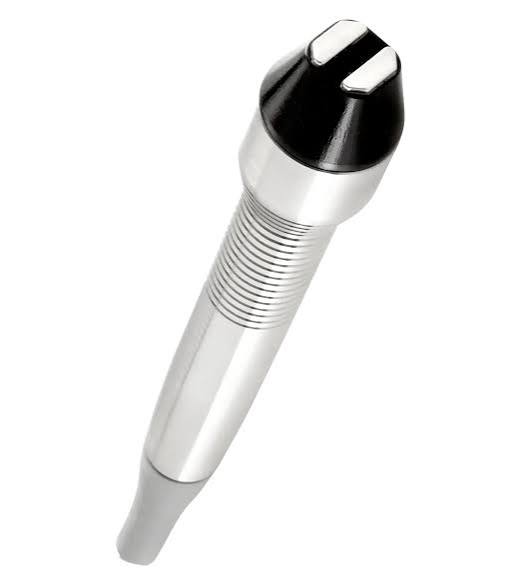
What Is InMode Forma-I?
InMode Forma-I is a radiofrequency technology developed as part of InMode's eye-care technology platform.
RF energy creates a controlled warming effect in the targeted treatment area. At EyeC, Forma-I may be incorporated into treatment plans for appropriate patients with dry eye and meibomian gland dysfunction.
Instead of treating dry eye based only on symptoms, our doctors evaluate the underlying factors that may be contributing to your discomfort and determine whether Forma-I is appropriate for you.
What Makes Forma-I Different?
Radiofrequency technology is used across different types of medical and aesthetic devices.
So what makes Forma-I relevant to eye care?
Designed for the Eye-Care Setting
Forma-I is part of InMode's dedicated eye-care technology offering rather than simply being a general-purpose RF system.
InMode identifies Forma-I as an eye-care RF technology for ophthalmology and optometry applications.
Controlled RF Energy
Forma-I delivers radiofrequency energy to create a controlled thermal effect in the selected treatment area.
The treatment is performed according to a defined protocol and monitored by your provider.
Focused on the Treatment Area
The technology is designed for treatment around the eyes, allowing RF to be incorporated into an eye-care setting where the anatomy and treatment goals are different from general body or facial RF treatments.
Used Within a Clinical Treatment Plan
Forma-I isn't a standalone solution for every dry-eye patient.
Your doctor first evaluates your eyes and determines whether RF is appropriate based on your symptoms, findings, and treatment needs.
Why Does This Matter for Dry Eye?
When people think about dry eyes, they often think about tears.
But healthy tears depend on more than simply producing enough fluid.
The meibomian glands, located in your eyelids, produce oils that help stabilize the tear film and reduce evaporation.
When these glands don't function properly, they can contribute to meibomian gland dysfunction (MGD) and evaporative dry eye.
This is one reason modern dry-eye care looks beyond artificial tears alone.
At EyeC, we look at the bigger picture.
Your doctor may evaluate your:
Then we determine which treatment approach makes sense for you.
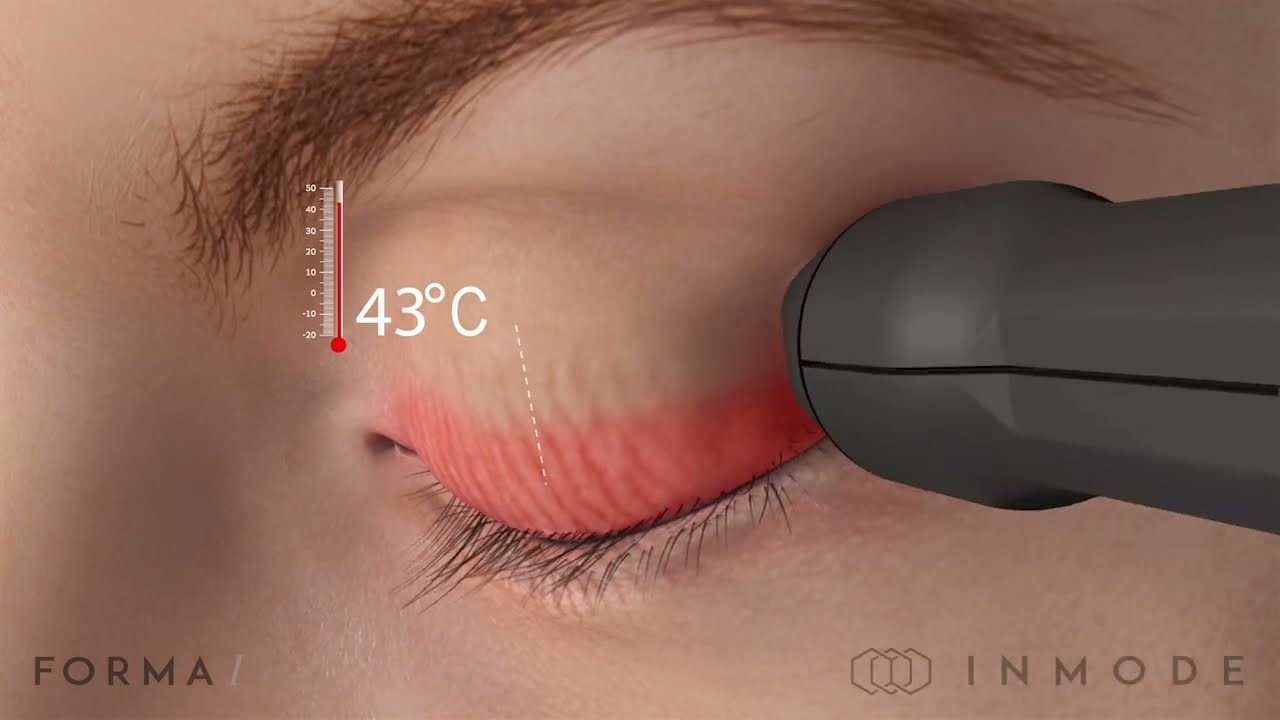
How Does Forma-I Work?
Forma-I uses radiofrequency energy to generate controlled thermal energy in the treatment area.
Here's the basic idea:
RF Energy
The Forma-I handpiece delivers radiofrequency energy to the selected area.
Controlled Warmth
The RF energy creates a controlled warming effect in the treated tissue.
Doctor-Guided Treatment
Your provider monitors the treatment and follows the appropriate treatment protocol.
Part of Your Dry-Eye Plan
Forma-I may be incorporated into a broader treatment plan depending on your individual findings.
Why Is RF Being Used in Dry Eye Care?
Meibomian gland dysfunction is an important contributor to evaporative dry eye, and researchers continue to study different approaches for managing MGD.
Recent clinical research has specifically evaluated radiofrequency treatment for MGD-related dry eye, including a 2026 randomized controlled trial that reported improvements in several dry-eye measures following RF treatment.
Research is continuing, and individual treatment protocols and results can vary.
At EyeC, we use RF as one tool within a broader clinical approach, rather than assuming every patient needs the same treatment.
What Makes EyeC's Approach Different?
You may see many devices advertised for dry eye. But a device alone doesn't determine whether a treatment is appropriate.
At EyeC, Forma-I is used within an optometric setting where your doctor can evaluate your eyes before deciding whether RF belongs in your treatment plan.
Evaluate
Understand your symptoms and examine your eyes.
Identify
Look for factors that may be contributing to your dry eye, including meibomian gland dysfunction.
Personalize
Determine whether Forma-I or another treatment is appropriate.
Treat
Perform the treatment according to your individual plan.
Follow Up
Monitor how your eyes respond and adjust your care when needed.
What Does a Forma-I Treatment Feel Like?
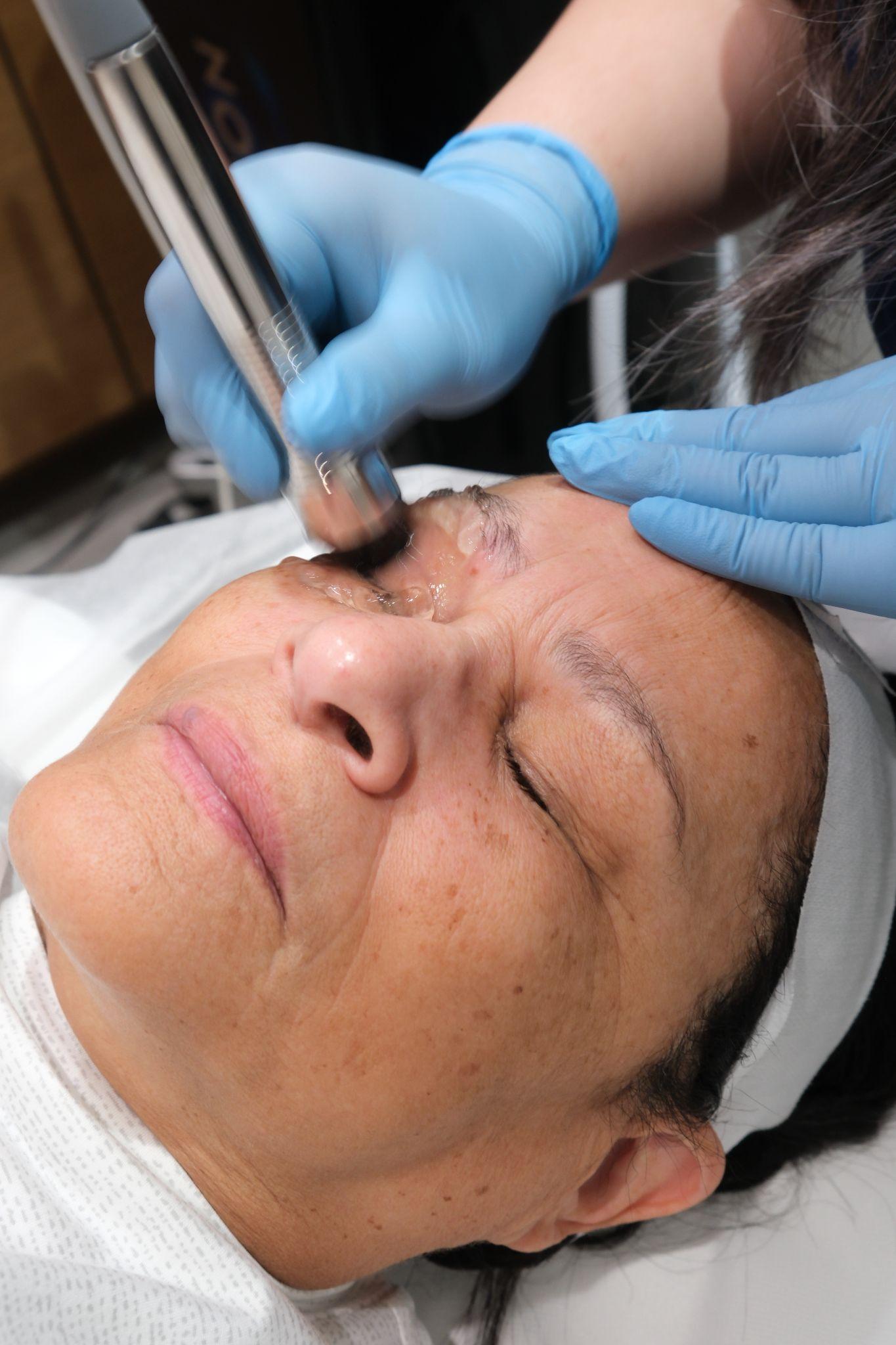
During a Forma-I treatment, the handpiece is applied to the designated treatment area while RF energy is delivered according to the treatment protocol.
You may feel warmth during the treatment.
Your provider monitors the procedure throughout the session and works within the appropriate treatment parameters.
Before treatment begins, your EyeC team will explain what to expect and answer any questions you may have.
What Happens During Your Visit?
Evaluation
Your doctor reviews your symptoms and evaluates your ocular surface, eyelids, and meibomian gland function.
Treatment Recommendation
If Forma-I may be appropriate, your doctor explains why RF is being considered and how it fits into your overall treatment plan.
Forma-I Treatment
The treatment area is prepared and the Forma-I device is used according to the appropriate treatment protocol.
Next Steps
Your provider discusses what to expect after treatment and whether additional care or follow-up is recommended.
Forma-I vs. Traditional Dry-Eye Care
Forma-I doesn't necessarily replace everything you've already been doing for your dry eyes.
Think of it as another tool in the treatment toolbox.
Your doctor may recommend one approach or several together.
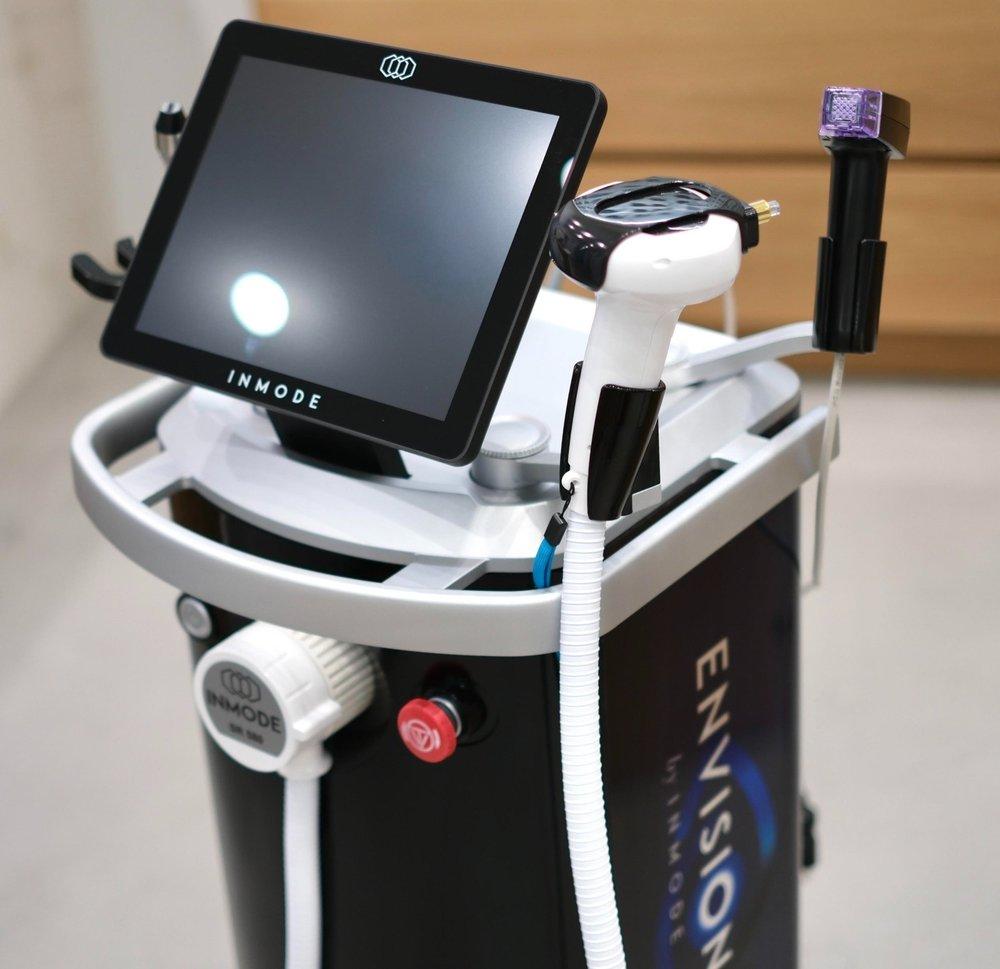
See InMode Forma-I in Action
Frequently Asked Questions
What is InMode Forma-I?
InMode Forma-I is a radiofrequency technology designed as part of InMode's eye-care technology platform. At EyeC, it may be incorporated into treatment plans for appropriate patients with dry eye and meibomian gland dysfunction.
What does RF stand for?
RF stands for radiofrequency. It is a form of energy that creates a controlled thermal effect when delivered to targeted areas.
Is Forma-I specifically designed for the eyes?
Forma-I is part of InMode's eye-care technology offering and is positioned for ophthalmology and optometry applications.
Is Forma-I used to treat dry eye?
Yes. Forma-I may be incorporated into treatment plans for selected patients with dry eye, including patients with meibomian gland dysfunction.
Is Forma-I the same as regular facial RF?
Not necessarily. RF technologies can differ in their design, handpieces, treatment protocols, intended applications, and energy delivery. Forma-I is part of InMode's eye-care technology offering.
Can Forma-I replace eye drops?
Not necessarily. Artificial tears and other treatments may still have a role in managing dry eye. Forma-I is one treatment option that may be incorporated into a broader care plan.
What does Forma-I feel like?
You may experience a controlled warming sensation during treatment. Your provider monitors the treatment throughout the procedure.
How many treatments will I need?
Treatment plans vary. Our doctor will recommend the appropriate number and frequency based on your individual findings and treatment goals.
Is there downtime?
There is no downtime required following a Forma-I treatment, allowing you to return to your normal daily activities right away.
We Don't Treat a Machine. We Treat Your Eyes.
InMode Forma-I gives EyeC another technology to help us approach patients with dry eye and meibomian gland dysfunction.
But the most important part of the treatment isn't the machine.
It's understanding why your eyes are uncomfortable in the first place and choosing an approach that makes sense for you.

Could Forma-I Be Part of Your Dry-Eye Treatment Plan?
Start with a comprehensive dry-eye evaluation at EyeC Optometry.